

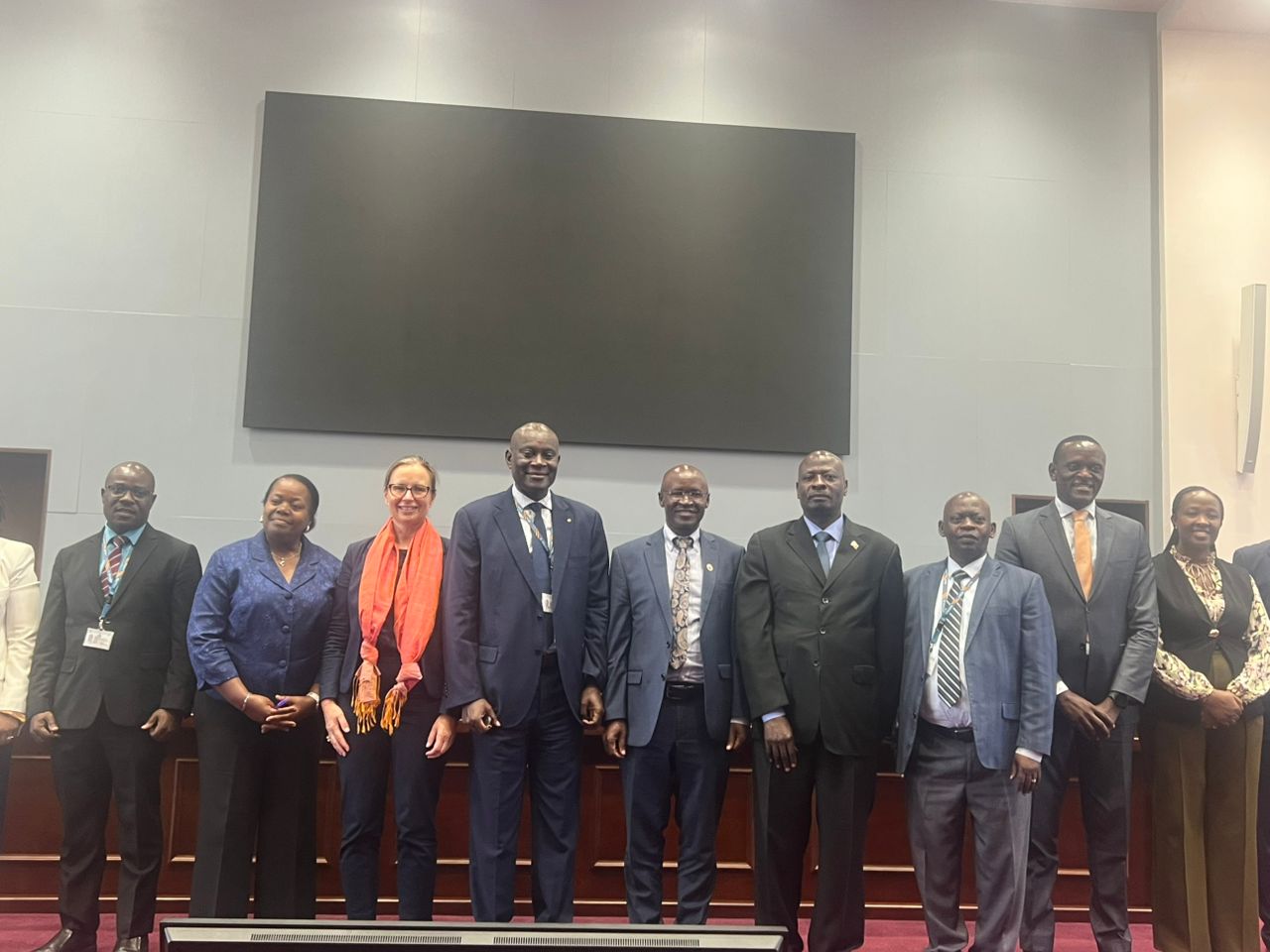
The Ministry of Finance has concluded a high-level implementation support mission with the World Bank under the Uganda Intergovernmental Fiscal Transfers (UGIFT) Program, marking the end of the current phase of reforms and paving the way for the rollout of the new Public Investment Management Plus (PIM+) framework next financial year.
The week-long mission convened officials from several sector ministries, including Works and Transport, Agriculture, Education, and Health, to review progress, assess impact, and chart the next phase of public investment and service delivery reforms.
According to Ministry of Finance officials, the mission provided an opportunity to evaluate UGIFT 1.0, which has been supported by approximately $500 million in World Bank financing.
The program focused on strengthening fiscal transfers to local governments and improving service delivery in key sectors.
One of UGIFT’s most significant achievements has been the expansion of secondary education infrastructure.
Reports presented during the mission indicate that 210 out of the planned 259 Seed Secondary Schools—representing 81 percent completion—have been constructed in sub-counties that previously had no government secondary school.
This expansion has contributed to a 25 percent increase in the number of government-aided secondary schools nationwide, up from 1,019 schools in 2017.
Officials noted that the new schools have reduced travel distances for students and eased pressure on existing institutions, improving access to quality education.
Beyond education, UGIFT has supported investments and performance improvements in local government systems, health facilities, road infrastructure, and agricultural service delivery.
While progress was acknowledged, the World Bank emphasized the need for continued improvements in service delivery to ensure investments translate into measurable outcomes for citizens.
Mission leaders highlighted the importance of accountability, infrastructure maintenance, and adequate staffing and operational funding as the program transitions to its next phase.
The upcoming PIM+ initiative will build on UGIFT’s lessons by strengthening public investment planning, appraisal, and monitoring across sectors.
The framework will also deepen collaboration between central government ministries and local governments, ensuring that development projects are better designed, executed, and maintained.
Officials from participating ministries reaffirmed their commitment to implementing the mission’s recommendations, noting that the transition to PIM+ presents an opportunity to consolidate gains and accelerate improvements in public service delivery.
With the conclusion of the UGIFT mission, attention now turns to preparations for the next financial year, when the new framework is expected to guide public investment management across Uganda’s key sectors.
